Introduction: Tarot doesn't predict the future, it heals the past
A few years ago, I met a woman wearing the same perfume as my mother. In a second, I was overwhelmed by a wave of emotions: anger, sadness, guilt, all mixed together. I didn't understand why a simple perfume could trigger such an inner storm. That day I understood what the shadow truly was. The shadow is that part of ourselves we buried because it was too painful, too shameful, too 'unacceptable'. These are the emotions we repressed, the traumas we denied, the parts of ourselves we rejected to be loved, accepted, 'normal'. Carl Jung, the psychoanalyst who popularized this concept, said: 'What you refuse to recognize in yourself ends up controlling you.' And he was right. Our shadows never disappear. They hide in our disproportionate reactions, our unconscious sabotages, our toxic relationships, our addictions, our irrational fears. They whisper lies to us ('you're not enough', 'you don't deserve to be happy', 'you'll end up alone') and we believe them without even realizing where these voices come from.
But here's the good news: Tarot is one of the most powerful tools for doing what Jung called 'Shadow Work'. Why? Because Tarot speaks the language of the unconscious: symbols, archetypes, images. It bypasses the rational mind that spends its time justifying, minimizing, denying. It goes directly to seek buried truths. Master Arcane said: 'Tarot doesn't tell you what you want to hear. It shows you what you need to see.' And often, what we need to see is precisely what we've been fleeing for years. In this article, I'll give you 5 Tarot spreads specifically designed for Shadow Work. These spreads aren't 'pretty'. They don't promise you a soulmate or wealth. They ask you to face what you're afraid to see. But I promise you this: if you have the courage to do this work, you'll break cycles that have been poisoning you for years. You'll free yourself from invisible chains. You'll finally become yourself.
What is the shadow, really? The psychology behind the concept
Before diving into the spreads, we need to understand what exactly the shadow is. Carl Jung developed this concept in the 1910s-1920s, but it remains surprisingly relevant today. According to Jung, the human psyche is composed of several 'personalities':
▸ The Conscious Ego: What you think you are. Your identity, opinions, values. ▸ The Persona: The social mask you wear. 'The nice one', 'the strong one', 'the funny one', etc. ▸ The Shadow: Everything you've repressed to maintain this persona. 'Forbidden' emotions, 'shameful' desires, parts of you deemed 'unacceptable'. ▸ The Self: The total integration of all the above. The complete, authentic, unfragmented version of yourself.
The shadow forms from childhood. When a child expresses anger and is told 'good children don't get angry', they learn to repress this emotion. When a little girl cries and is told 'stop crying, you're a big girl now', she learns that sadness is weakness. When a boy is too affectionate and is mocked ('are you a girl or what?'), he learns to harden his heart. Little by little, we build an 'acceptable' personality by cutting off pieces of ourselves. These pieces don't disappear. They descend into the unconscious and form the shadow. And from there, they continue to influence us invisibly.
Here's how the shadow manifests in daily life:
• Projections: You intensely hate a personality trait in others? It's probably a repressed part of yourself. The arrogant person who annoys you may carry your own need for recognition that you don't dare assume.
• Sabotages: You're about to succeed... and you sabotage everything at the last moment? Your shadow may believe you don't deserve success.
• Repetitive patterns: You always fall back into the same type of toxic relationship? Your shadow is replaying an unresolved trauma, again and again, hoping this time to 'get it right'.
• Addictions: Whether alcohol, food, work, sex or social media, addictions are often attempts to silence the screaming shadow.
• Disproportionate emotions: A small comment puts you in a wild rage? It's the shadow reacting, not the conscious ego.
Shadow Work consists of bringing these unconscious contents to the light of consciousness. Not to judge or fight them, but to recognize, understand, integrate them. Jung said: 'I'd rather be whole than good.' This means: I prefer to be authentically myself, with my shadow parts, than to play a perfect but empty role. And that's where Tarot becomes an extraordinary ally.
Why is Tarot perfect for Shadow Work?
Tarot was created in the 15th century as a card game, but over time it became a mirror of the human psyche. The 78 cards represent all the archetypes, all emotions, all situations a human being can experience. From the Magician (beginning, innocence) to the World (accomplishment, totality), passing through the Tower (destruction), the Devil (addiction), the Moon (illusion), each arcanum carries a deep psychological truth. Carl Jung himself was interested in Tarot. He collaborated with Sallie Nichols, who wrote 'Jung and Tarot: An Archetypal Journey', a work exploring the links between the major arcana and Jungian archetypes. Jung saw in Tarot a symbol system capable of revealing the contents of the collective unconscious.
Here's why Tarot is so effective for Shadow Work:
1. It speaks the language of the unconscious The unconscious doesn't think in words, but in images and symbols. When you try to explore your shadow through rational thought, you encounter resistances, denials, justifications. But when you draw the Devil and see those two chained figures, something in you immediately recognizes that feeling of being imprisoned. You can't lie to an image.
2. It bypasses the ego's defenses Our ego is a vigilant guardian. It protects our self-image. When you ask yourself 'why do I always sabotage my relationships?', the ego finds a thousand excuses: 'It's others' fault', 'I had bad luck', 'I wasn't ready'. But when Tarot shows you the Five of Swords (hollow victory, need to be right at love's expense), it forces you to see a truth you preferred to ignore.
3. It reveals hidden patterns When you do Shadow Work regularly with Tarot, you start to see patterns. 'Well, this is the third time this month I've drawn the Moon... What am I avoiding seeing? What illusion am I maintaining?' These repetitions are never coincidence. They're messages from your unconscious insisting: 'Look here. This is important.'
4. It offers a safe framework Exploring your shadow can be terrifying. You're afraid of what you'll discover, afraid of not being 'a good person', afraid of losing control. Tarot offers a framework: you ask a question, you draw cards, you interpret. It's structured, ritualized. It creates a sacred space where it's permitted to look at the unspeakable.
5. It's not binary Unlike traditional therapy which can sometimes seek to 'correct' or 'heal', Tarot doesn't judge. The Devil isn't 'bad', it represents attachment. The Tower isn't 'negative', it represents liberation through destruction. Each card has its light and shadow. This non-dualistic approach is exactly what we need for Shadow Work: stop judging ourselves and start understanding ourselves.
Master Arcane said: 'Tarot doesn't solve your problems. It shows you the problem isn't where you thought.' And often, the real problem is in the shadow.
Golden rules of Shadow Work with Tarot
1. Create a safe and sacred space
Shadow Work isn't a reading to do between two emails or while watching TV. You're potentially going to awaken buried emotions, painful memories, uncomfortable truths. You need a space where you feel safe. Light a candle, burn incense, put on soft music. Create a ritual that signals to your unconscious: 'This is a sacred moment. We're going to dive deep.' Make sure you have time ahead of you, at least 30 minutes to an hour. Turn off your phone. Close the door. This is an appointment with yourself, perhaps the most important one you can have.
2. Be honest, radically honest
Shadow Work only works if you're ready to see the truth, even when it hurts. If you draw a card revealing something embarrassing (for example, that you're jealous, manipulative, or cowardly in certain situations), don't try to soften it. Don't say 'Yes, but...' Say 'Yes. It's true. And now, what do I do with that?' Radical honesty is the price of liberation. You cannot heal what you refuse to see.
3. Journal everything
After each Shadow Work reading, take a journal and write. Write what the cards revealed. Write the emotions that came up. Write the memories that resurfaced. Write the resistances you felt. Don't try to make it pretty or coherent. Let it flow. Writing is therapeutic in itself: it transforms inner chaos into something tangible, manipulable, understandable. And most importantly, it allows you to track your evolution. In six months, you'll reread your notes and see how much you've changed.
4. Don't force integration
When you discover a shadow part, you can't just decide 'Okay, now I'm going to integrate it' and boom, it's done. Shadow integration is a slow, gradual, sometimes uncomfortable process. It's like taming a wild animal: it takes patience, gentleness, respect. Be content at first to recognize: 'Yes, this part exists in me.' Then, slowly, start dialoguing with it: 'Why are you there? What do you need? How can I honor you without letting you destroy me?' The shadow doesn't ask to be eliminated. It asks to be seen, heard, understood.
5. Seek support if necessary
Shadow Work can sometimes awaken deep traumas. If while doing these readings you feel overwhelmed, dissociated, or if suicidal thoughts appear, STOP and seek professional help. Tarot is a powerful tool, but it doesn't replace a trained therapist, especially if you've experienced abuse, complex traumas, or suffer from psychiatric disorders. There's no shame in asking for help. On the contrary, it's an act of courage and self-love.
Spread #1: The Shadow Mirror — Identifying your main shadow
Objective: Discover which part of yourself is most repressed right now.
Number of cards: 5 cards
| **Layout:** |
| ``` |
| [1] |
| [2]--[3]--[4] |
| [5] |
| ``` |
Position meanings:
• Card 1 (Above): What I show the world — Your persona, the social mask you wear. How you want to be perceived.
• Card 2 (Left): What I refuse to show — The part of you that you deliberately hide because you fear judgment.
• Card 3 (Center): The core of my shadow — The most repressed emotion, need, or character trait right now. This is the spread's most important card.
• Card 4 (Right): Why I created this shadow — The origin of this repression. Often, this goes back to childhood, a trauma, or social conditioning.
• Card 5 (Below): What happens if I continue to ignore it — The consequences of keeping this part in shadow. The price you pay for not looking.
Interpretation example:
Imagine you draw: • Card 1: The Sun (what I show) — You show a joyful, optimistic, luminous person. • Card 2: Five of Cups (what I refuse to show) — You hide your sadness, disappointments, losses. • Card 3: The Moon (shadow core) — Your shadow is made of irrational fears, illusions, emotional confusion you refuse to face. • Card 4: Five of Swords (why) — You learned very young that showing vulnerability made you weak, that people took advantage. So you built a mask of joy to protect yourself. • Card 5: Ten of Swords (consequence) — If you continue, you risk total collapse. The false joy will eventually break and you'll be overwhelmed by all repressed emotions at once.
Reflection questions after the reading: • What emotion comes up when I look at card 3 (shadow core)? • Do I recognize this part of me, even if I'd never formulated it this way? • What would happen if, just once, I allowed this part to exist without judging it? • Who in my life embodies this shadow (projection)?
Note everything in your journal. This reading is the starting point. You've just put a name on something that was invisible.
Spread #2: The Devil's Chains — Understanding your addictions and toxic attachments
Objective: Identify the patterns of attachment, addiction or dependence that imprison you.
Number of cards: 6 cards
Layout: ``` [1] [2] \ / \ / [3] | [4][5][6] ```
Position meanings:
• Card 1: The visible chain — The addictive or toxic behavior you're aware of. (Ex: alcohol, food, toxic relationship, workaholism, social media)
• Card 2: The invisible chain — The real need hiding behind the addiction. What you're truly seeking. (Ex: love, control, oblivion, validation)
• Card 3: The original wound — The trauma or belief that created this need. Where does this inner hunger come from?
• Card 4: What this addiction costs you — The price you pay: health, relationships, self-esteem, opportunities.
• Card 5: What you gain by staying attached — The secondary benefit of addiction. Yes, there's always one. Otherwise, you would have stopped already.
• Card 6: The first step toward liberation — The concrete action, however small, you can take to start breaking these chains.
Interpretation example:
• Card 1 (visible chain): Four of Cups — You withdraw into yourself, flee social interactions, emotionally numb yourself. • Card 2 (invisible chain): Two of Cups — You're seeking deep, authentic connection. But since you fear disappointment, you prefer isolation. • Card 3 (original wound): Three of Swords — You experienced betrayal, abandonment, heartbreak that broke you. Since then, you avoid intimacy. • Card 4 (cost): Six of Pentacles reversed — You find yourself isolated, without support. You may give materially, but receive nothing emotionally. • Card 5 (secondary benefit): Four of Wands reversed — Staying isolated protects you from the possibility of being hurt again. It's false security, but it's security nonetheless. • Card 6 (first step): Ace of Cups — Start by offering yourself the compassion you expect from others. Fill your own cup before seeking to share it.
Reflection questions: • Am I ready to admit this addiction/attachment serves me something? • What would happen if I let go of this crutch? • Am I ready to feel the pain under the addiction, even just for a few minutes? • Who could support me in this liberation process?
This reading can be overwhelming. Be gentle with yourself. Simply seeing the chains is already an act of courage.
Spread #3: The Projection — Discovering what others show you about yourself
Objective: Identify the projections you make onto others and understand what they reveal about your shadow.
Number of cards: 7 cards
Context: Choose a person who deeply irritates you, whom you hate, or who fascinates you obsessively. This emotional intensity is almost always the sign of a projection.
| **Layout:** |
| ``` |
| [1] |
| [2][3][4] |
| [5][6][7] |
| ``` |
Position meanings:
• Card 1: What I see in the other — The trait you hate or excessively admire in this person.
• Card 2: What this reveals about my shadow — The part of yourself you refuse to see and project onto the other.
• Card 3: Why I repressed this trait — The origin of repression. When and why did you learn to reject this part of yourself?
• Card 4: How this trait could serve me — If you integrated this quality (or accepted this flaw), how would your life change?
• Card 5: My deepest fear — What you truly fear if you recognized this part of yourself.
• Card 6: The hidden gift in this projection — What this person (and this projection) came to teach you.
• Card 7: How to reclaim this projection — The concrete action to stop projecting and reintegrate this part of yourself.
Interpretation example:
Imagine you hate someone you find arrogant and self-centered.
• Card 1 (what I see): The Sun reversed — You see someone arrogant, taking all the space, thinking they're the center of the world. • Card 2 (my shadow): The Magician — Your shadow contains a need to shine, to be seen, to be at the center of attention. But you've repressed it. • Card 3 (why repressed): Five of Pentacles — You grew up in a context where attracting attention was dangerous, shameful, or punished. You were taught to make yourself small. • Card 4 (how it could serve): Three of Wands — If you allowed yourself to shine, to take your place, you could finally realize your ambitions, travel to new horizons, become visible. • Card 5 (deep fear): Ten of Swords — You fear that if you shine, you'll be destroyed, betrayed, or abandoned. That success attracts jealousy and violence. • Card 6 (hidden gift): Strength — This person shows you that you have within you a power you don't dare use. They invite you to find the courage to fully exist. • Card 7 (reclaim projection): Eight of Wands — Act quickly, without thinking. Next time you have the opportunity to shine, do it. Even if it's scary. Even if it's uncomfortable.
Reflection questions: • Can I admit I possess, at least a little, the trait I hate in the other? • How would my life change if I stopped rejecting this part of me? • What would I say to this person if I knew they were a mirror? • How can I thank this person (even internally) for showing me my shadow?
This reading is liberating. Often, once the projection is understood, the emotional intensity toward the person disappears. You stop hating them... because you no longer need them to carry your shadow.
Spread #4: The Inner Child's Wound — Healing childhood traumas
Objective: Identify and dialogue with the wounded part of your inner child, the one that continues to suffer and influence your adult behaviors.
Number of cards: 8 cards
| **Layout:** |
| ``` |
| [1] |
| [2][3][4][5] |
| [6][7][8] |
| ``` |
Position meanings:
• Card 1: The child I was — Your original nature before wounds. Who were you really?
• Card 2: The main wound — The trauma or event that broke something in you. (Abandonment, rejection, humiliation, betrayal, injustice)
• Card 3: The toxic belief formed — The conviction you developed from this wound. (Ex: 'I'm not lovable', 'I must be perfect to be accepted', 'The world is dangerous')
• Card 4: How this belief sabotages me today — Adult behaviors stemming from this belief. Repetitive patterns.
• Card 5: What this wounded child needs — What your inner child expects from you, the adult. Security? Permission to cry? Validation?
• Card 6: The child's message to the adult — What your inner child wants to tell you. Listen with your heart.
• Card 7: How I can heal him/her — The concrete action of repair. How you can become the loving parent you never had.
• Card 8: The strength I'll regain by healing this wound — The gift hiding behind the wound. Every trauma also carries a power.
Interpretation example:
• Card 1 (original child): The High Priestess — You were an intuitive, sensitive child who saw things others didn't. • Card 2 (wound): Five of Swords — You were humiliated, put down, mocked for your sensitivity. You were told you were 'weird', 'too sensitive', 'in the clouds'. • Card 3 (toxic belief): Eight of Swords — 'I must hide who I really am or I'll be rejected. I'm prisoner of the image others expect of me.' • Card 4 (sabotage): Seven of Cups — Today, you get lost in dreams and fantasies instead of truly living. You don't dare show your true nature, so you live in the imaginary. • Card 5 (need): Four of Wands — This child needs celebration, to be celebrated for what they are. They want to hear: 'You're perfect as you are. Your sensitivity is a gift.' • Card 6 (message): The Moon — 'Stop being afraid of your depth. Stop fleeing the darkness in you. That's where your magic is.' • Card 7 (healing): The Star — Offer yourself moments where you can be fully yourself, without mask. Meditate, create, write. Reconnect to this intuition. • Card 8 (strength regained): The High Priestess — By healing, you'll regain your intuitive and spiritual gifts. You'll become a guide for others.
Exercise after the reading:
Write a letter to your inner child. Start with: 'Dear [your childhood first name], I now see what you went through...' Tell them everything they needed to hear back then. Then, write a response letter, as if it were the child responding to you. You'll be surprised by what emerges.
Spread #5: Integration — Transforming shadow into power
Objective: Move from shadow recognition to active integration. Transform poison into medicine.
Number of cards: 9 cards
Note: This spread is done after working with previous spreads. You must have identified at least one shadow before attempting to integrate it.
Layout: ``` [1][2][3] [4][5][6] [7][8][9] ```
Position meanings:
Part 1: Recognition (top row) • Card 1: My recognized shadow — The shadow part you're working on right now. • Card 2: Why I fear it — The fear preventing you from fully integrating it. • Card 3: Its light side — Every shadow has a light version. What is it?
Part 2: Transformation (middle row) • Card 4: How I honor it without letting it destroy me — The balance. How to give this part a place without it taking all control. • Card 5: The archetype that helps me — A Tarot energy that can support you in this integration. • Card 6: The ritual or practice that anchors integration — A concrete, repeated action that seals the change.
Part 3: Embodiment (bottom row) • Card 7: How my life changes once integrated — The tangible benefits of this work. • Card 8: The new power I acquire — The gift this shadow offers you once transformed. • Card 9: My next evolution step — Toward what new shadow or what new work are you heading next?
Complete interpretation example:
Suppose you're working on your shadow of 'repressed anger'.
• Card 1 (shadow): Five of Wands — Conflict, aggression, competition. You've always repressed your anger. • Card 2 (fear): Judgement reversed — You fear being judged as someone 'mean', 'violent', 'out of control'. • Card 3 (light side): Strength — Transformed anger becomes vital force, an ability to set healthy boundaries, to defend what's just. • Card 4 (honor): Two of Swords — Find balance. No longer repress, but don't let anger overwhelm you either. Breathe, observe, then choose your response. • Card 5 (archetype): The Emperor — Channel this martial energy into structure. Become the sovereign of your inner kingdom. • Card 6 (ritual): Four of Pentacles — Create a physical ritual: boxing, running, intense dancing. Give this energy a healthy outlet. • Card 7 (transformed life): Three of Cups — You create more authentic relationships because you're no longer afraid of conflict. You can say 'no' without guilt. • Card 8 (new power): King of Wands — You become a leader, someone who inspires courage, who defends the weak, who dares. • Card 9 (next step): The Moon — Now that you've integrated your anger, you're ready to explore your fears, illusions, deep unconscious.
Affirmation after the reading:
Create an affirmation based on card 8 (new power). For example: 'I welcome my anger as vital force. I set my boundaries with courage and love. I am the king/queen of my inner kingdom.' Repeat this affirmation every morning for 21 days.
This reading marks a turning point. You move from victim of your shadow to master who consciously integrates it.
Major arcana and their shadow: A quick reference guide
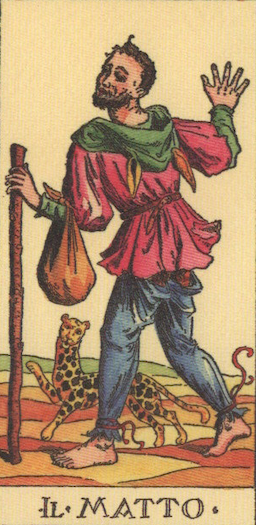
The Fool
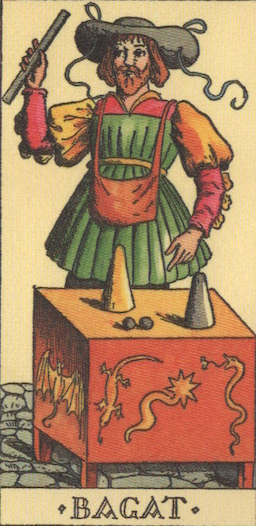
The Magician
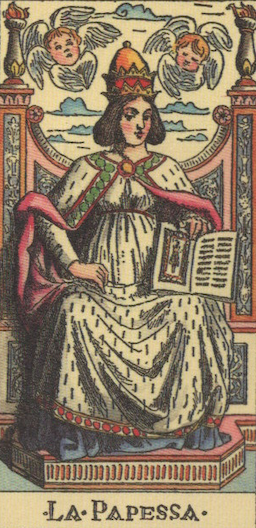
The High Priestess
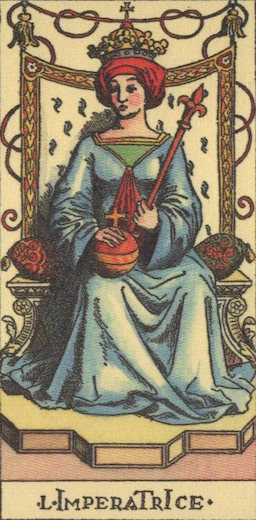
The Empress
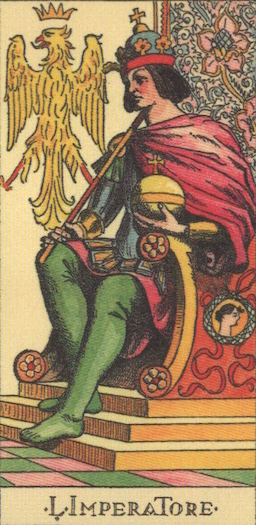
The Emperor
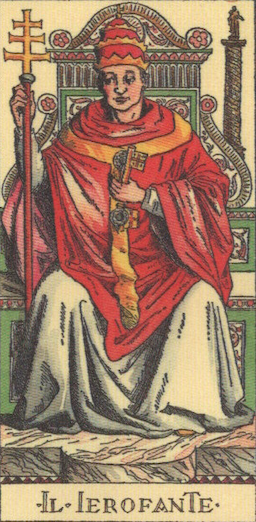
The Hierophant
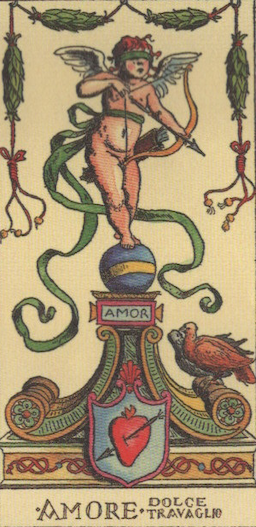
The Lovers
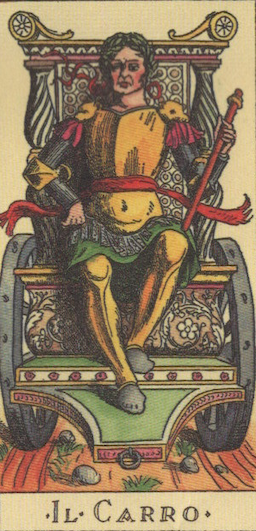
The Chariot
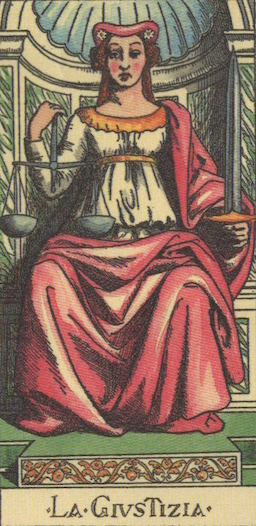
Justice
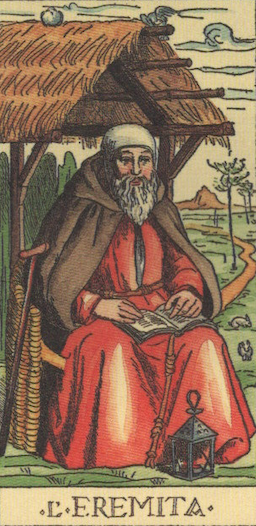
The Hermit
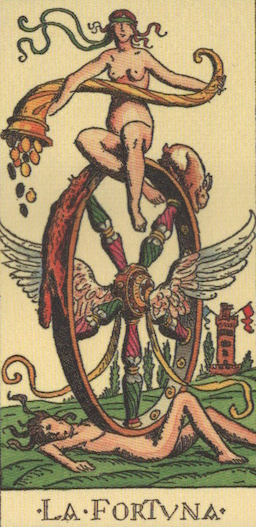
Wheel of Fortune
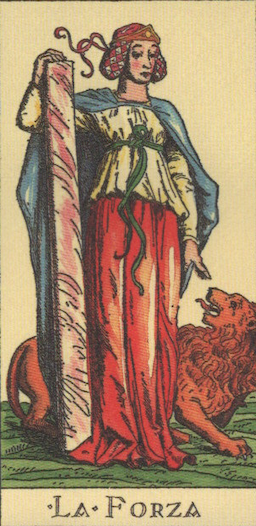
Strength
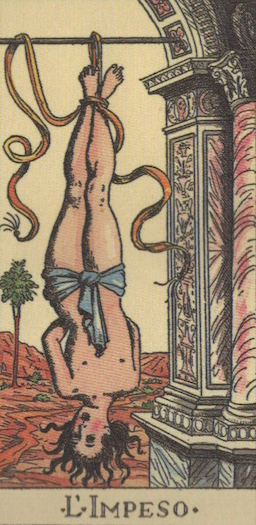
The Hanged Man
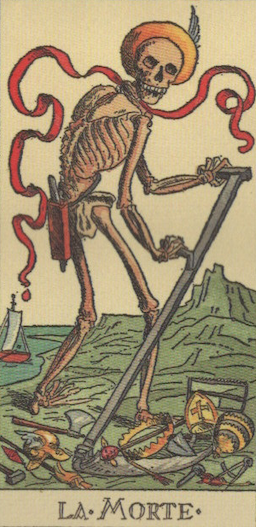
Death
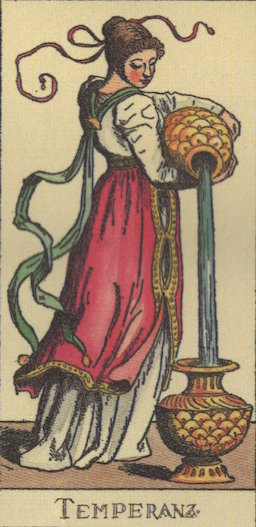
Temperance
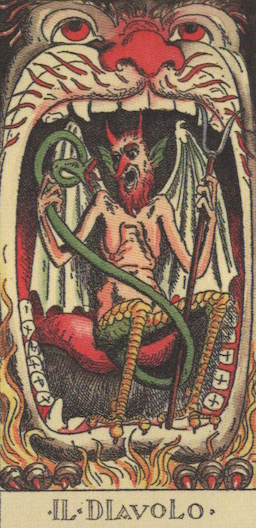
The Devil
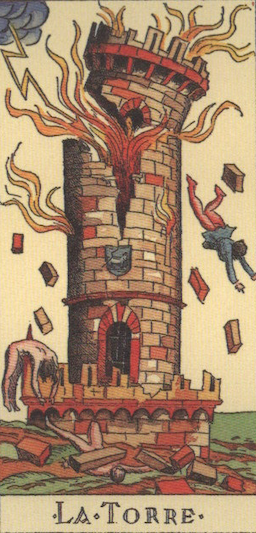
The Tower
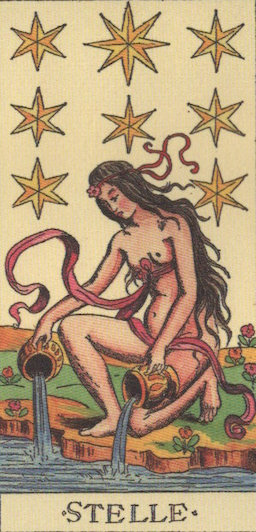
The Star
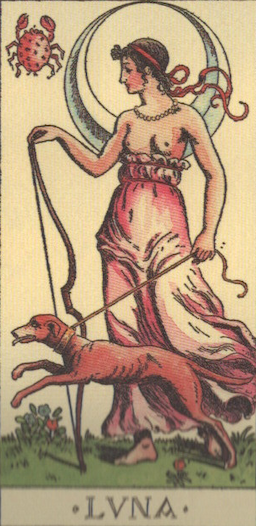
The Moon
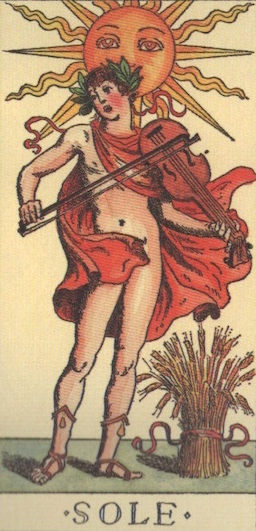
The Sun
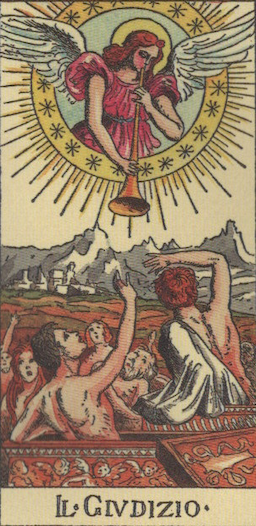
Judgement
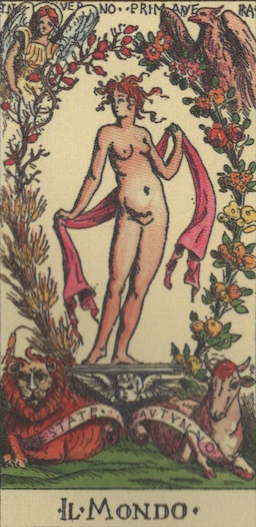
The World
Here's a synthetic guide to the 22 major arcana with their light and shadow sides. Use it to deepen your interpretations during Shadow Work readings.
The Magician
The High Priestess
The Empress
The Emperor
The Hierophant
The Lovers
The Chariot
Justice
The Hermit
Wheel of Fortune
Strength
The Hanged Man
Death
Temperance
The Devil
The Tower
The Star
The Moon
The Sun
Judgement
The World
The Fool
Use this guide as a starting point, but always trust your intuition. Your shadow speaks a unique language.
Conclusion: The shadow is not your enemy, it's your buried treasure
If you've made it this far, you've already shown immense courage. Most people spend their entire lives fleeing their shadow. They prefer to project, blame, numb themselves rather than face what terrifies them in themselves. You've chosen another path. You've chosen truth, even when it hurts. Let me tell you something essential: your shadow is not your enemy. It's not 'bad'. It's not proof you're broken or defective. Your shadow is the guardian of your lost power. It's the part of you that you had to sacrifice to survive, to be loved, to be accepted. But now that you're an adult, you no longer need these old survival mechanisms. You can reclaim what you abandoned. Every piece of shadow you integrate makes you more whole, more authentic, more alive.
I won't lie to you: Shadow Work is difficult. There will be moments when you'll want to stop everything, when you'll prefer to return to the comfort of ignorance, when you'll regret opening this Pandora's box. But I promise you this: on the other side of this darkness, there's a light you can't even imagine. A freedom you've never known. A version of yourself that no longer hides, no longer self-sabotages, no longer self-betrays. Carl Jung spent decades studying the shadow, and here's what he concluded: 'The gold is found in the mud.' Your greatest power, your unique genius, your contribution to the world... all of this is buried in the parts of yourself you've rejected. By doing this work, you don't become someone new. You become again who you've always been, before the world asked you to change.
So continue. Do these readings. Be honest. Cry if you must cry. Scream if you must scream. But don't stop. Every card you draw is a key. Every revelation is a liberation. Every tear is a purification. And one day, perhaps sooner than you think, you'll look back and realize you're no longer prisoner of your patterns. That you no longer react the same way. That you no longer self-sabotage. That you are... free. Master Arcane said: 'Tarot doesn't show you who you should be. It reminds you who you've always been beneath the masks.' Your shadow is your path back to yourself. Walk this path with courage. You're not alone. Thousands of people before you have made this journey. Thousands are doing it right now. And on the other side, we're waiting for you. The whole ones. The liberated ones. Those who dared to look at the shadow... and found the light there. Welcome to your journey toward wholeness. May the cards guide you. May your shadow become your ally. And may you finally find the peace of being fully yourself.